November 12, 2026
This article explores the critical aspects that electrical contractors examine during inspections, ensuring safety, compliance, and optimal performance of electrical systems. Electrical inspections are crucial for maintaining the integrity of electrical installations and for the prevention of fire hazards and electrocution risks. Regular inspections by a qualified electrical contractor help identify potential issues before they become severe problems. They ensure that all electrical components function correctly and comply with current safety codes and regulations. This comprehensive guide delves into the essential areas covered during an electrical inspection, providing insights into each aspect's importance and the typical procedures involved.
Checking Electrical Panel Integrity
Electrical panel integrity is fundamental to the overall safety and performance of an electrical system. An electrical contractor can begin by assessing the panel's overload capacity to ensure it can handle the current electrical demands adequately. Overloaded panels can lead to overheating and pose serious fire risks, necessitating a thorough evaluation. According to HomeGuide, a licensed electrician should be hired to calculate the required amperage and run NEC-compliant circuits to new fixtures, especially since older homes typically feature underrated 60-amp service panels. By assessing these factors, contractors can recommend necessary upgrades to meet contemporary energy demands while ensuring compliance with electrical codes.
Inspecting circuit breakers is another crucial step, as they are designed to protect electrical circuits from overload. An electrical contractor will test breakers to ensure they function correctly and trip when necessary to prevent overheating and electrical fires. They look for signs of wear or damage that might compromise their operation. Circuit breaker panels also contain safety mechanisms that must be reliable, so inspectors ensure they are free from rust, corrosion, and any physical impediments to their operation. This examination often reveals the need for replacement or maintenance that can prevent future electrical failures.
Evaluating the panel door and enclosure is indispensable for protecting the electrical components housed within. Contractors ensure the enclosure is secure, free from damage, and compliant with safety standards. They review panel labeling and documentation to ensure all circuits are accurately identified, which is crucial for maintenance and emergency situations. Additionally, they examine neutral and ground connections for proper installation, as these are vital for electrical safety. Poor grounding or loose connections can lead to electrical shocks and equipment malfunction, so ensuring their integrity is a primary concern during inspections.
Examining Wiring and Connections
Visual inspection of wiring conditions is an essential component of electrical safety evaluations. Contractors look for signs of wear, deterioration, or exposure of insulation, all of which can compromise the effectiveness and safety of the system. Such signs may include cracking, discoloration, or stiffness, indicating potential fire hazards or electrical faults. The importance of maintaining wiring integrity is paramount, particularly in older homes where the infrastructure may not support modern electrical loads. Inspectors aim to identify areas where the wiring gauge may be insufficient for today's power requirements and recommend necessary upgrades.
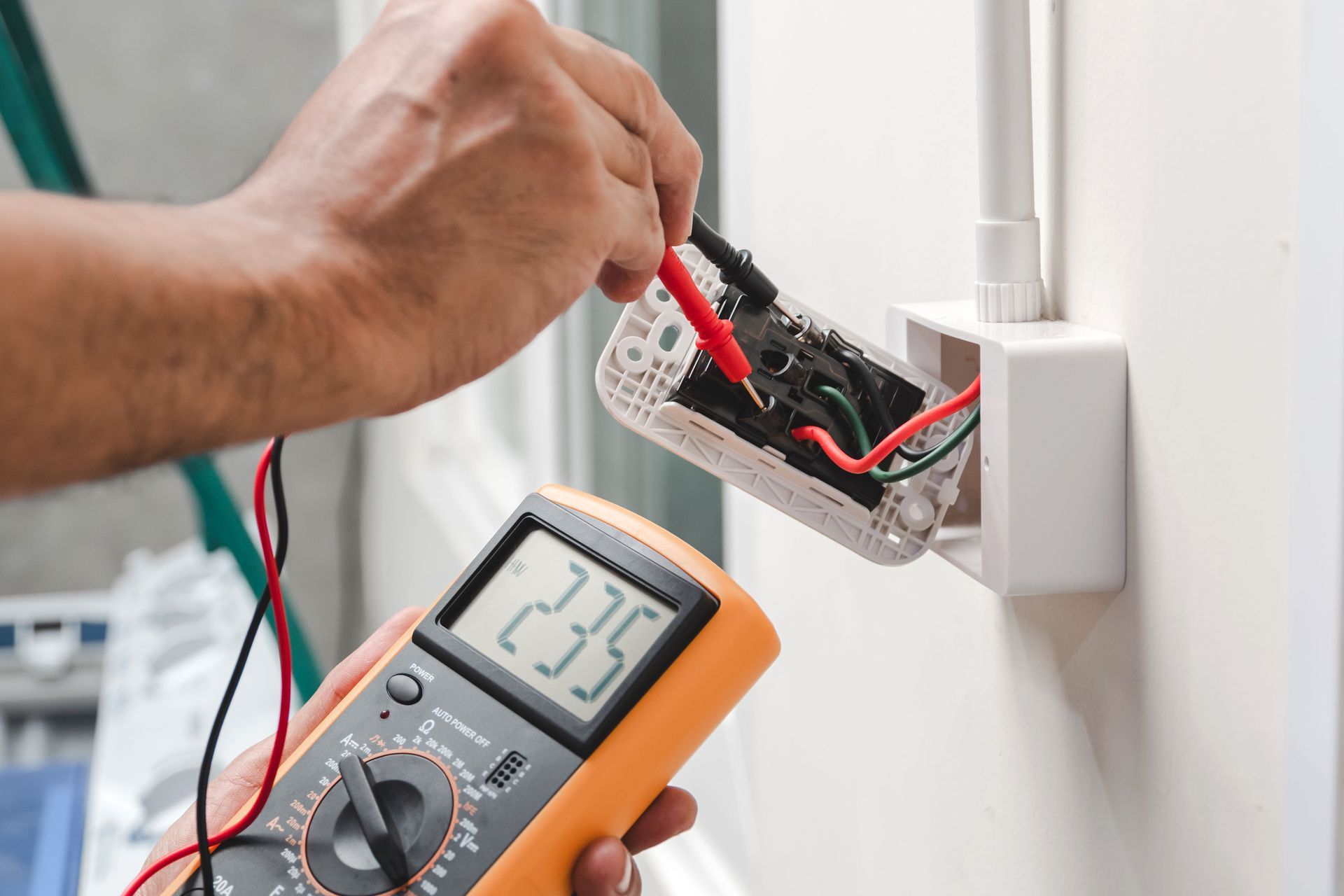
Testing for proper connections involves ensuring all electrical connections are secure and conductive. Loose or corroded connections reduce efficiency and increase the risk of overheating, leading to potential fire hazards. Contractors might use specialized equipment to measure resistance and continuity, confirming that electrical pathways are free from obstructions or weaknesses. By ensuring all connections are optimal, they minimize the chances of electrical arcing, which can cause insulation damage and ignite fires. This aspect of inspection records preventative maintenance steps, often including tightening connections or replacing corroded components for enhanced safety.
Ensuring an adequate wire gauge is integral to managing the electrical load. Inspectors verify that the wire gauge used in circuits is suitable for the current capacity and intended use, preventing excessive heat generation. Electricians also assess wiring for compliance with the National Electrical Code standards, which specify minimum requirements for wire sizes in various applications. In situations where inadequacies are found, an electrical contractor will recommend changes to align with code requirements, prioritizing the safety and functionality of the system. Identifying signs of wear or damage, like exposed conductors, further guides necessary corrective actions to uphold electrical safety and performance.
Analyzing Grounding Systems
Grounding systems are a critical safety component, preventing electrical shock and equipment damage. Contractors verify ground rod placement to ensure it meets standard depth and coverage requirements, which facilitate effective grounding. Effective grounding provides a safe path for fault currents, protecting both people and electrical devices from harm. Inspectors ensure that the grounding system is intact and free from corrosion or loose connections, which might impede its effectiveness. By adhering to grounding principles, electrical systems reduce the risk of electrocution and equipment failures, central to maintaining a safe environment.
Checking the bonding of metal parts is crucial to ensuring all metal equipment enclosures are electrically connected. This step ensures that in case of a fault, no single part becomes hazardous due to an electrical potential difference, which could cause shocks. Bonding combines disparate conducting parts into a single conductive path with minimal resistance. This safety measure helps in preventing arc faults and maintaining system integrity. Ensuring that bonding systems are up to code requirements is crucial, and inspectors replace or amend substandard connections as necessary.
Testing ground continuity is performed to ascertain that the grounding system provides a clear path to earth. Contractors use specialized tools to measure resistance and confirm the effective operation of grounding systems. After checking the grounding electrode system, inspectors verify that each component adheres to electrical code standards. They ensure metal pipes, frames, and other conductive structures are safely grounded to eliminate static discharge and potential faults. Ensuring compliance with grounding standards not only upholds system safety but also extends the service life of the electrical infrastructure and associated equipment.
Reviewing GFCI and AFCI Protection
Testing GFCI (Ground Fault Circuit Interrupter) functionality is an imperative step in evaluating electrical system safety in wet or damp areas. GFCIs are vital as they detect imbalances in electrical currents, which could indicate a potential ground fault. Such quick response times mitigate the risks of electric shock, especially in bathrooms, kitchens, and outdoor locations. Inspectors press the test button on these devices to confirm they trip correctly and reset as required. Ensuring devices meet current code is essential, as outdated or non-functional GFCIs necessitate replacement to maintain safety.
Inspecting AFCI (Arc Fault Circuit Interrupter) installations is another critical task. AFCIs are designed to detect and disrupt arc faults, which can cause electrical fires. Evaluating these devices involves ensuring their correct installation and testing their response to simulated arc conditions. Contractors verify their presence in necessary locations as defined by current codes and confirm their operability. In homes with historical wiring systems, inspectors may identify the need for additional AFCI installations to provide enhanced protection against fire risks.
Confirming protection in wet areas extends beyond GFCI tests to include examining overall moisture barriers and watertight connections. These factors ensure devices remain operational even under adverse conditions, minimizing risks of shock. In doing so, contractors follow established protocols, ensuring any needed repairs or upgrades align with safety regulations. They also identify areas requiring extra protective devices such as weatherproof covers. By maintaining functioning protective systems, contractors help defend against potential moisture-related electrical hazards, offering comprehensive security in residential and commercial environments.
An inspection by a reputable electrical contractor is a comprehensive process that ensures not only compliance with safety standards but also guards against potential hazards. Routine checks maintain system performance, safeguarding both property and lives. By understanding and addressing areas of potential risk—ranging from panel integrity and grounding to load balancing and safety protocol verifications—professional contractors provide peace of mind to property owners and occupants. Their work plays a crucial role in modern electrical safety, ensuring systems operate efficiently and safely within current regulations and guidelines. Such diligence is crucial for maintaining functional, secure, and code-compliant electrical environments in residential and commercial settings alike. If you're looking for a reputable electrical contractor, contact Awesome Electrical Services today.