October 22, 2026
Older homes often have character, craftsmanship, and architectural details that newer properties cannot easily replicate. However, the electrical system behind the walls may reflect the needs of a very different era. Decades ago, households had fewer appliances, electronics, and high-demand systems competing for power. Today, computers, entertainment equipment, kitchen appliances, HVAC systems, chargers, and other devices place greater demands on residential wiring. Updated electrical services can help an older property accommodate these modern requirements while addressing aging components and potential safety concerns.
Electrical capacity is particularly important when evaluating an older property. According to HomeGuide, most homes require at least 100 amps, while newer homes may require 200 amps or more, and a licensed electrician should calculate the appropriate amperage and install circuits that comply with National Electrical Code standards. For homeowners living in older properties, a professional evaluation can reveal whether existing equipment remains appropriate for present-day use.
Aging Wiring May No Longer Meet Modern Needs
Older Materials Can Deteriorate
Electrical wiring does not remain unchanged forever. Insulation around conductors can deteriorate, connections may loosen, and decades of alterations can leave an older system with components from several different periods. These conditions are not always visible to homeowners because much of the wiring is concealed behind walls and ceilings.
Previous Alterations Can Create Concerns
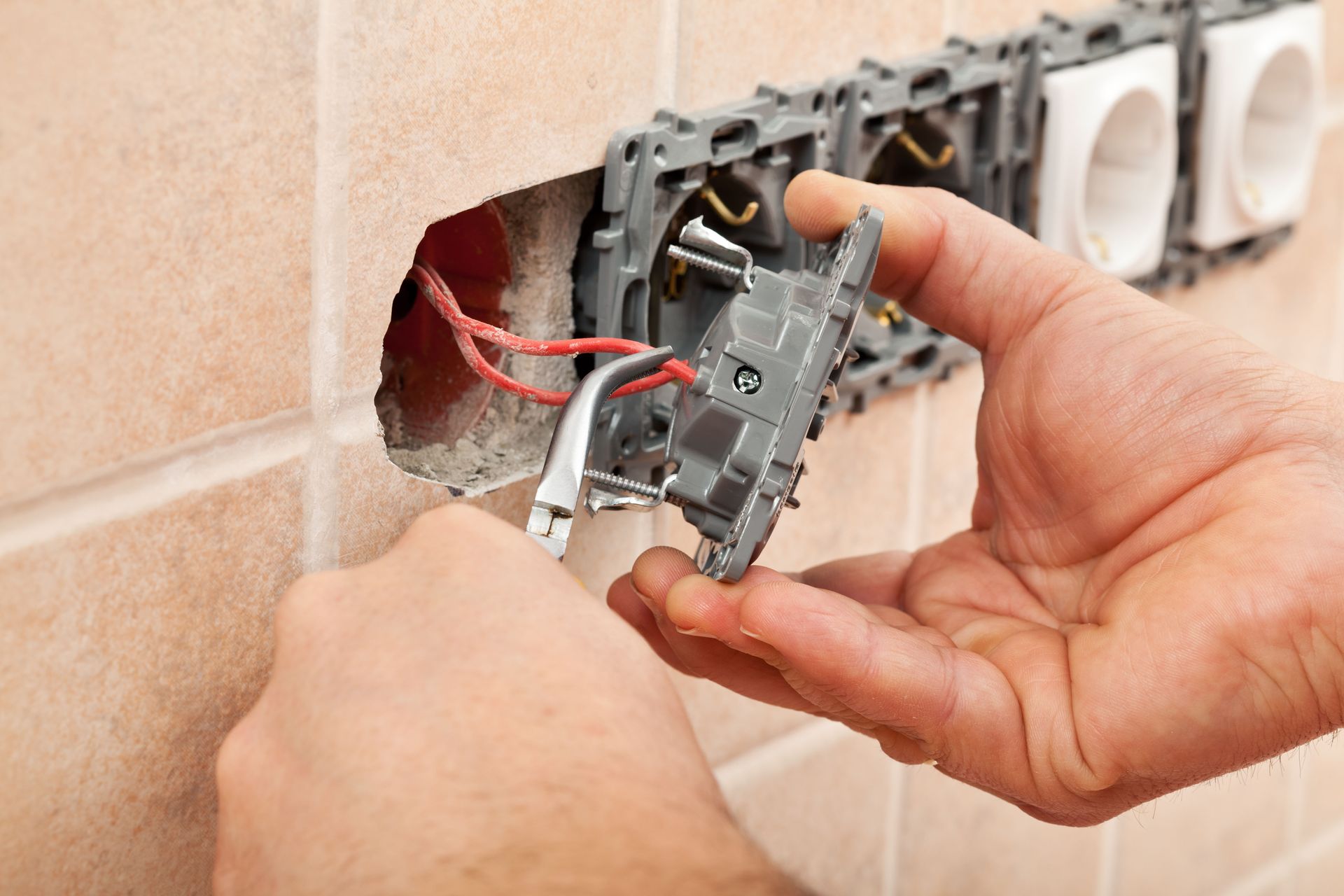
An older house may have undergone numerous renovations. Additions, remodeled kitchens, new appliances, or converted rooms can all affect the electrical system. Professional electrical services can evaluate whether previous modifications were completed appropriately and whether the system functions cohesively as it exists today.
Limited Circuits Can Affect Usage
Older electrical layouts were designed when homes contained fewer powered devices. A limited number of circuits may now serve multiple rooms and appliances, increasing demand on infrastructure that was never intended for today's household usage.
Professional Evaluations Can Identify Issues
Because wiring conditions are often concealed, appearances alone cannot establish whether a system is adequate. Licensed electricians can assess relevant components and identify areas that may warrant upgrades, repairs, or further attention.
Outdated Panels May Limit Electrical Capacity
Older Panels Can Have Limited Capacity
The electrical panel distributes power throughout the house. Older panels may have been installed when household electricity demands were significantly lower, leaving limited capacity for newer appliances, additional circuits, or major home improvements.
Modern Appliances Can Increase Demand
Electric ranges, dryers, HVAC equipment, and numerous other devices can contribute to substantial electrical demand. Updated electrical services may become necessary when the existing system cannot appropriately support the equipment homeowners expect to use.
Frequent Breaker Activity Can Signal Concerns
A breaker that repeatedly trips deserves professional attention. Although breakers are designed to interrupt electrical flow under certain conditions, frequent interruptions can indicate a problem involving circuit demand, equipment, wiring, or another component requiring evaluation.
Panel Evaluations Can Clarify Capacity
Homeowners do not need to estimate electrical capacity themselves. An electrician can evaluate the existing panel, household demand, circuits, and planned improvements to determine whether changes are appropriate.
Insufficient Outlets May Encourage Unsafe Habits
Older Rooms Often Have Fewer Outlets
Homes constructed decades ago commonly contain fewer receptacles because households owned fewer electrical devices. Modern families may need connections for televisions, computers, lamps, chargers, appliances, and other equipment throughout nearly every room.
Extension Cords Are Not Permanent Wiring
When conveniently placed outlets are unavailable, residents may become overly dependent on extension cords or power strips. These products should not substitute for permanent wiring where additional receptacles are actually needed.
Modern Rooms Have Different Requirements
Home offices, entertainment areas, renovated kitchens, and workshops can create electrical demands that did not exist when an older property was built. Professional electrical services can help determine how the system should accommodate current room usage without relying on outdated configurations.
Additional Circuits Can Support New Uses
Some equipment may require dedicated circuits or other electrical considerations. A licensed electrician can evaluate intended usage and determine what changes are necessary rather than placing additional demand on existing circuits without professional assessment.
Older Safety Features May Need Modernization
Protection Standards Have Changed
Electrical codes and safety practices have evolved considerably over time. A system that reflected common practices decades ago may differ substantially from what would be installed in a home today. Renovations can also create situations where updated requirements apply.
Grounding Can Require Evaluation
Older properties may contain receptacles, wiring methods, or equipment with grounding arrangements that differ from modern systems. Because grounding is a technical safety matter, its condition and adequacy should be assessed by a qualified electrician.
Protective Devices Have Expanded
Modern electrical systems use protective devices in locations and circumstances where older homes may not have them. Updated electrical services can address applicable protection requirements while considering the home's existing wiring and current electrical code provisions.
Electrical Work Requires Professional Knowledge
Electrical upgrades should not be treated as trial-and-error home projects. Licensed electricians understand applicable codes, equipment requirements, installation practices, and inspection considerations, helping ensure work is completed appropriately.
Home Improvements May Require Greater Capacity
Kitchen Renovations Can Increase Demand
Modern kitchens often contain significantly more electrical equipment than their older counterparts. Additional appliances, lighting, countertop receptacles, and specialized equipment can change circuit requirements considerably when a kitchen is remodeled.
HVAC Changes Can Affect Requirements
Replacing or adding heating and cooling equipment may also affect electrical demand. Equipment requirements vary, making professional assessment important before assuming an existing circuit or panel can support a new system.
New Technology Can Change Household Usage
Smart devices, home offices, entertainment systems, and other technologies have transformed how households consume electricity. Professional electrical services can help homeowners account for these changing demands when planning renovations or broader property upgrades.
Planning Can Support Future Improvements
Homeowners who expect additional renovations may benefit from considering future electrical needs alongside immediate ones. Evaluating capacity during the planning stage can provide useful information about whether the existing infrastructure is prepared for anticipated changes.
Professional Upgrades Can Support Long-Term Reliability
Inspections Can Establish System Condition
Age alone does not reveal everything about an electrical system. Maintenance history, previous renovations, installation quality, equipment condition, and household demand all matter. A professional inspection provides information specific to the property rather than relying only on its construction date.
Targeted Improvements Can Address Deficiencies
Not every older home necessarily requires the complete replacement of its electrical infrastructure. Depending on the findings, appropriate electrical services might involve targeted improvements to panels, circuits, receptacles, wiring, or other components that no longer meet the property's needs.
Upgrades Can Prepare Homes for Modern Living
Updating an electrical system is ultimately about making an older home function effectively for the people living there today. Appropriate capacity and professionally installed components can support modern appliances, technology, renovations, and everyday household activities.
Licensed Electricians Can Guide Decisions
Electrical systems are complex, and the appropriate improvements vary by property. Professional evaluation helps homeowners understand existing conditions, prioritize concerns, and make informed decisions about upgrades without replacing components unnecessarily.
Older homes can continue serving families for generations, but their electrical infrastructure may need to evolve along with household demands. Aging wiring, limited panel capacity, insufficient outlets, older safety features, and renovations can all create reasons to evaluate a property's system. Professional electrical services provide an informed way to determine what should remain, what needs attention, and what upgrades can better support modern use.
If your older home has an outdated electrical system or you are planning improvements that could increase power demands, contact Awesome Electrical Services today. Our team can evaluate your home's electrical needs and recommend professional upgrades designed to support dependable, modern household use.