Thinking of Getting an EV? Here’s What to Know About Home Charger Installation
As electric vehicles (EVs) continue to gain popularity, one important consideration for potential buyers is where and how to charge their new vehicle. While public charging stations provide a solution, having a home charger installed by a certified electrician offers unmatched convenience and can be a significant factor in the decision-making process. Before you make the leap into EV ownership, it's essential to understand the key aspects of home charger installation to ensure it meets your needs effectively.
Understanding the Different Types of Home EV Chargers
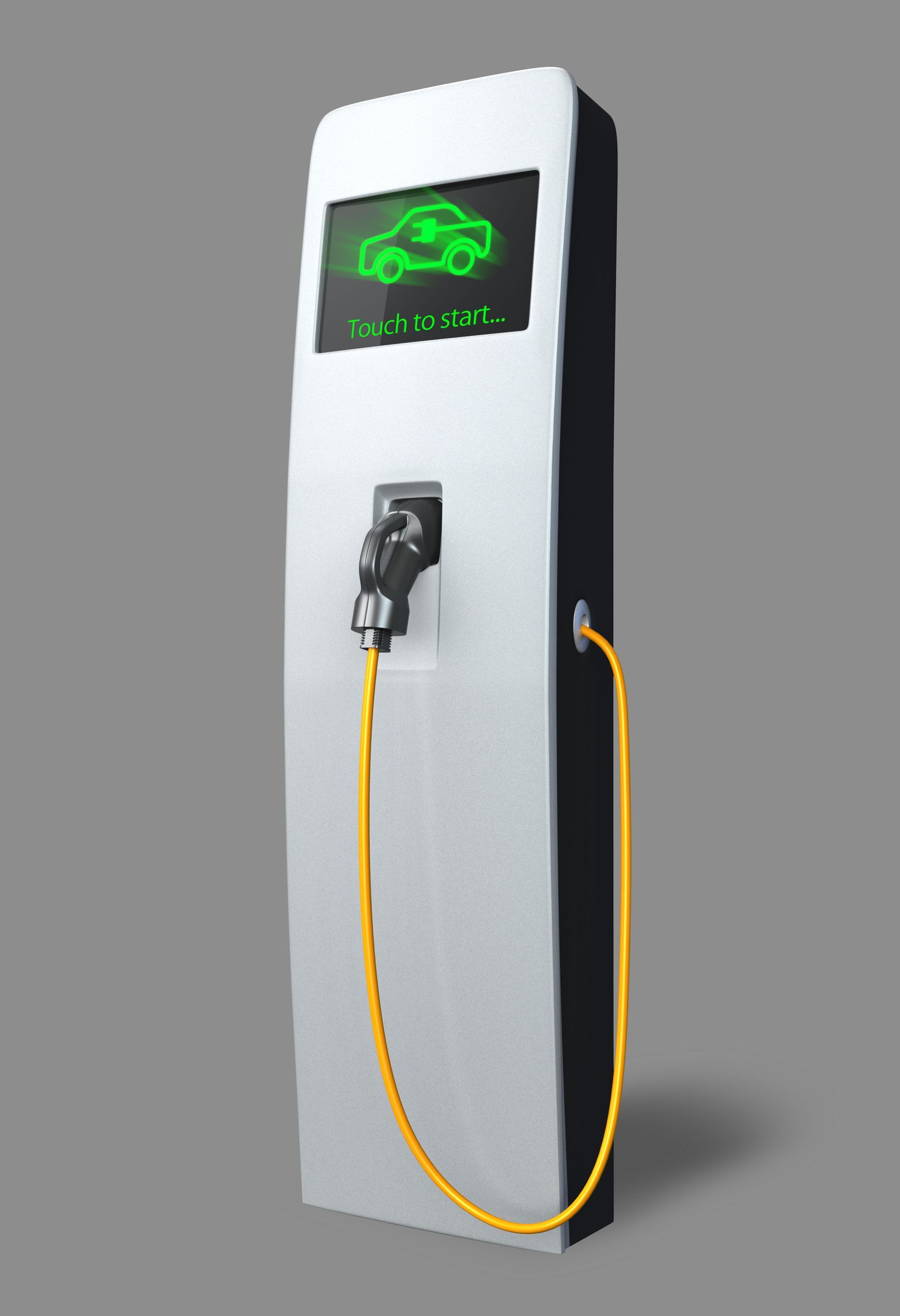
The first step in home charger installation is understanding the different types of chargers available. Home chargers typically range from Level 1 to Level 3, with Level 1 being the simplest and slowest option, often using a standard household outlet. Most EV owners opt for Level 2 chargers, which require a 240-volt outlet and charge vehicles significantly faster. Level 3 chargers offer rapid charging but are considerably more expensive and usually found at commercial locations rather than homes.
The Cost-Saving Benefits of Charging at Home
One of the biggest advantages of a home charging station is cost savings. According to the EIA, the typical U.S. household consumes approximately 10,500 kilowatt-hours (kWh) of electricity annually. Major contributors include air conditioning (19%), space heating (12%), and water heating (12%). Charging your EV at home, especially during off-peak hours, allows you to manage your household electricity consumption efficiently and take advantage of lower utility rates. As a result, the convenience of charging your EV overnight while benefiting from these efficiencies makes home installation an appealing option for many drivers.
Preparing Your Home for EV Charger Installation
Before installing a home charging station, it's crucial to ensure that your home's electrical system can handle the increased load. Consulting with an electrician can provide insights into the potential need for upgrades to your electrical panel to accommodate the charger's power requirements. A professional can also advise on safety standards and the correct placement of your charger to comply with local codes.
Equipping your home with an EV charger extends beyond mere convenience; it's a strategic investment that can lead to significant long-term savings. By understanding the types of chargers, potential utility savings, and ensuring your home is prepared for the electrical demand, a certified electrician can help make the installation process smooth and safe. If you're looking for a certified electrician, make sure to contact Awesome Electrical Services today!


Share On: