July 21, 2026
Bringing home a new electric vehicle is an incredibly exciting milestone for any modern family. However, figuring out how to power your new ride can quickly feel a bit overwhelming. Professional electricians want to make this transition simple, so here are a few critical insights to keep in mind. Making the right choices now will set you up for years of stress-free driving and easy power management.
1. Your standard wall outlet is simply too slow
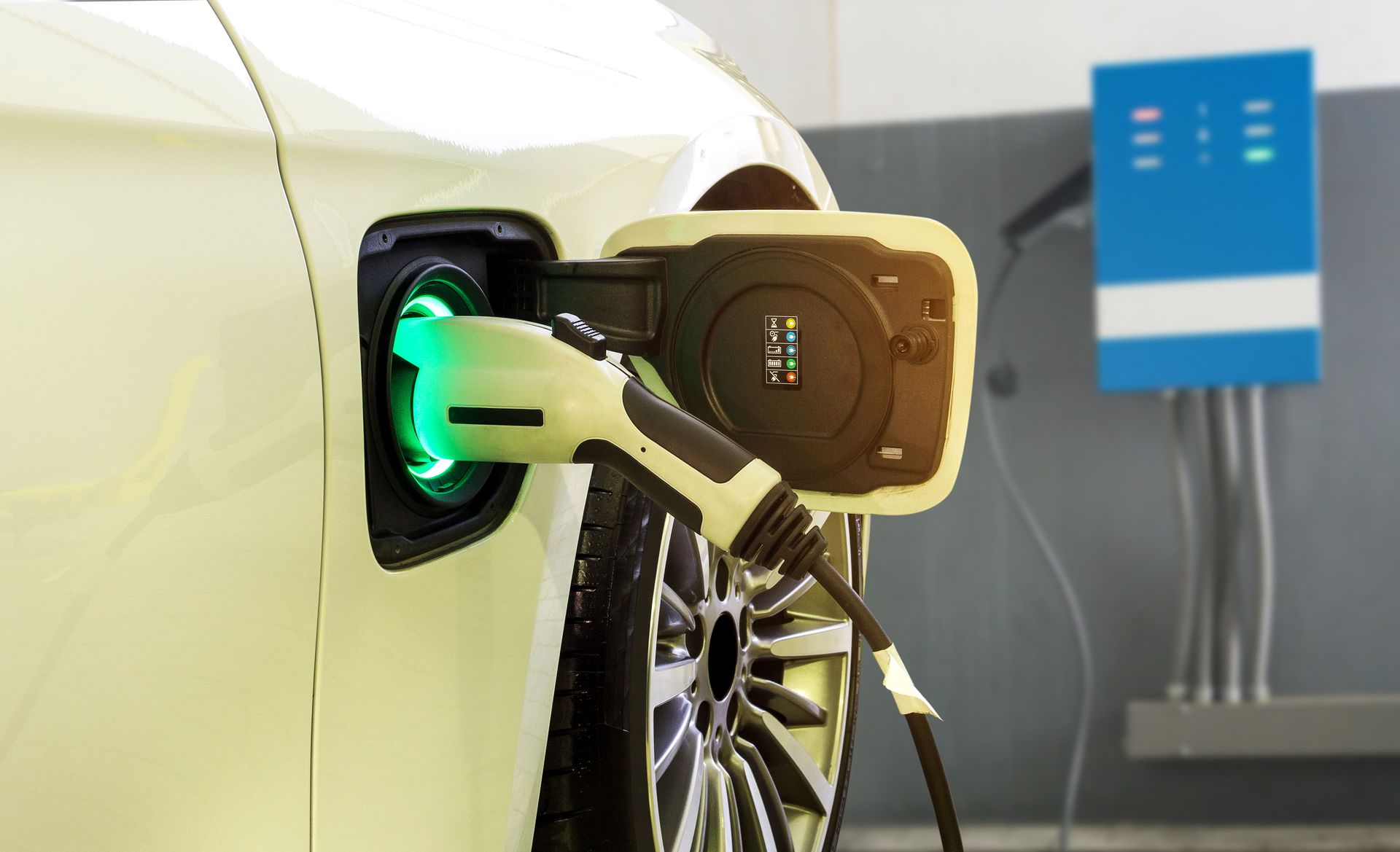
Many new electric vehicle owners assume they can just plug their car into a regular household outlet and call it a day. While this method technically works, it is incredibly slow and inefficient for daily use. This slow option is known as Level One charging, and it only adds a handful of miles to your driving range for every hour your vehicle remains plugged into the wall. It is not practical if you commute daily.
For a much faster and more convenient experience, upgrading to a Level Two setup is usually the best path forward. This installation requires a higher voltage line, which is exactly why professional electricians need to handle the job. They can safely install the heavy-duty wiring required to power a faster charging unit. Making this upgrade completely changes how you interact with your vehicle, saving you hours of waiting around every week.
According to HomeAdvisor, since Level Two chargers add about 12 to 80 miles of driving range per hour, a completely drained EV battery can recharge overnight. This means you will wake up every single morning with a full tank of electrons, ready for whatever adventures the day brings. You will no longer have to spend your precious time waiting around at public stations or worrying about running out of battery juice.
2. Your existing electrical panel might need an upgrade
A modern electric vehicle charger draws a significant amount of power, often equivalent to adding an entire central air conditioning unit to your house. Because of this massive energy demand, your home must have the capacity to handle the extra load safely. Many older homes were simply not designed with these modern high-power appliances and vehicles in mind, creating a potential bottleneck before you plug anything in.
When a heavy electrical load is added to an outdated system, you might start experiencing annoying issues like flickering lights or frequently tripped breakers. In some severe cases, overloading an old system can even create serious safety hazards within your walls. It is vital to discover if your current electrical system has the breathing room to accommodate your new driving habits without causing any disruptions to your family's daily routine.
A thorough evaluation of your electrical service panel will determine if a comprehensive system upgrade is necessary before the big installation day. Experienced electricians can calculate your home’s total current power consumption and see if a panel replacement is warranted. Investing in a robust panel update protects your household electronics and prepares your entire property for a cleaner, more energy-efficient technological future as your power needs grow over time.
3. Your dedicated circuit protects your entire home
Professional electricians will always insist on installing a completely dedicated circuit for your new vehicle charging station. A dedicated circuit means that the specific breaker and wiring feed power exclusively to your vehicle charger and nothing else. This prevents the charger from sharing electrical current with other household appliances, which is a fundamental rule for high-demand equipment that runs for several hours at a time.
If you try to run a high-powered charger on a shared circuit, you will almost certainly overload that line. Imagine plugging in your car while someone else turns on a microwave and a kitchen appliance on the same circuit. This sudden, massive spike in electrical demand forces your system to work much harder than it ever should. The breaker will trip instantly to prevent dangerous overheating, which shuts down everything and leaves you with an uncharged car battery when you need to leave for work.
A dedicated line eliminates this risk by separating your car’s energy needs from the rest of your daily household activities. It provides a clean, continuous flow of electricity straight from the main panel to your garage or driveway. This specific setup keeps your home running smoothly while your vehicle safely draws power at maximum efficiency all night long without any unexpected interruptions or tripped safety breakers.
4. Your installation location requires some serious thought
Choosing the perfect spot for your new charging station involves much more than just finding a space on the wall. You need to consider exactly how you park your vehicle and where the charging port is located on the car body. Cable length is another big factor, as you never want to stretch a heavy cord tightly across a busy walkway where people might trip over it.
Weather exposure is also a major consideration if you plan to mount the unit outdoors along your driveway. Certified electricians can help you evaluate weather-resistant enclosures and choose hardware designed to withstand rain, snow, and extreme summer heat. They can position the unit in a place that minimizes physical wear and tear while keeping the cord safely organized and completely out of your main walking path throughout the seasons.
Thinking about your future needs during this planning phase can also save you a lot of headaches later down the road. If you think your family might buy a second electric vehicle in the next few years, planning for that scenario now is incredibly smart. Selecting a versatile, accessible location today makes adapting to future vehicle purchases an absolute breeze without needing to rewire everything down the line.
5. Your local permitting rules are strictly mandatory
Installing a high-voltage charging system in a residential property requires official building permits from your local municipality. These rules exist to verify that all electrical work complies with local building codes and national safety regulations. Skipping this official process can create major complications, especially when it comes to your homeowner’s insurance policy or future property sales if things are not documented correctly from the very beginning.
If an amateur electrical modification causes damage to your property, your insurance provider might completely deny your coverage claim. Furthermore, when you eventually decide to sell your home, home inspectors will look for proper documentation for major upgrades. Having all your permits in perfect order keeps your property value intact and gives you total peace of mind that everything was completed legally and safely according to current rules.
The permitting process involves submitting detailed plans to the local building department and scheduling a formal inspection after the work finishes. A city inspector will personally review the installation to verify that every single wire and breaker meets current safety standards. This official approval is the final necessary step in creating a safe, legal, and highly efficient home charging setup.
Transitioning to an electric vehicle is a fantastic journey that changes how you power your daily commute. Leaving the installation details to qualified electricians guarantees that your home stays safe while giving you the ultimate convenience of fast overnight charging. Getting the job done right means you can focus entirely on the fun of driving. Contact Awesome Electrical Services to enjoy the incredible freedom of full batteries and open roads ahead!